
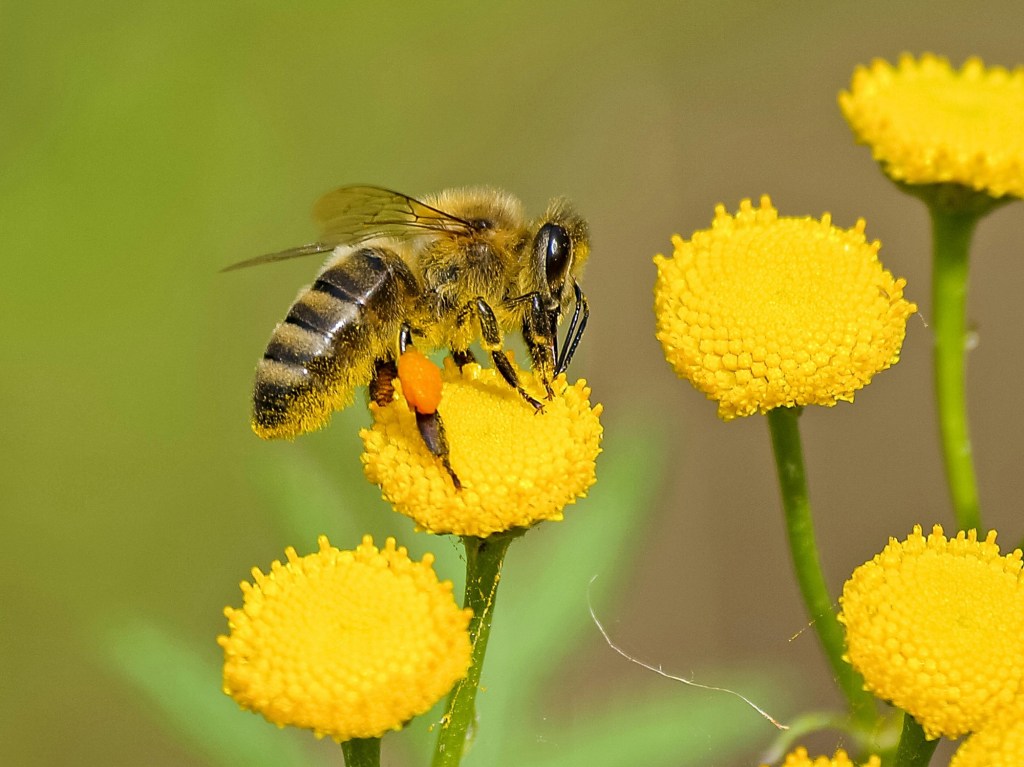
Bees are far more than honey-makers. These hardworking pollinators are responsible for much of the food we eat and the health of our ecosystems. With bee populations declining globally, understanding their importance — and how to protect them — is crucial.
🌼 Bees: Nature’s Master Pollinators
Over 75% of the world’s flowering plants and around 35% of crops depend on bees for pollination. From apples and almonds to wildflowers, bees ensure biodiversity and food security. Without them, entire ecosystems would collapse.
🌍 Why Bee Populations Are Declining
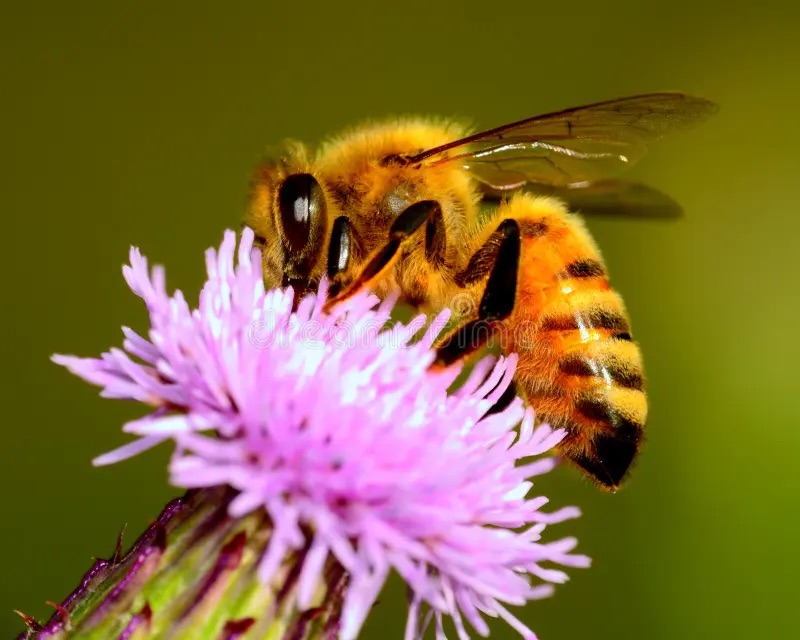
Pesticides: Harmful chemicals weaken bee immune systems. Habitat Loss: Urbanization reduces wildflower and nesting areas. Climate Change: Shifts in seasons disrupt pollination cycles. Disease & Parasites: Threats like the Varroa mite devastate colonies.
🍯 The Hidden Benefits of Bees
Bees don’t just pollinate food; they also:
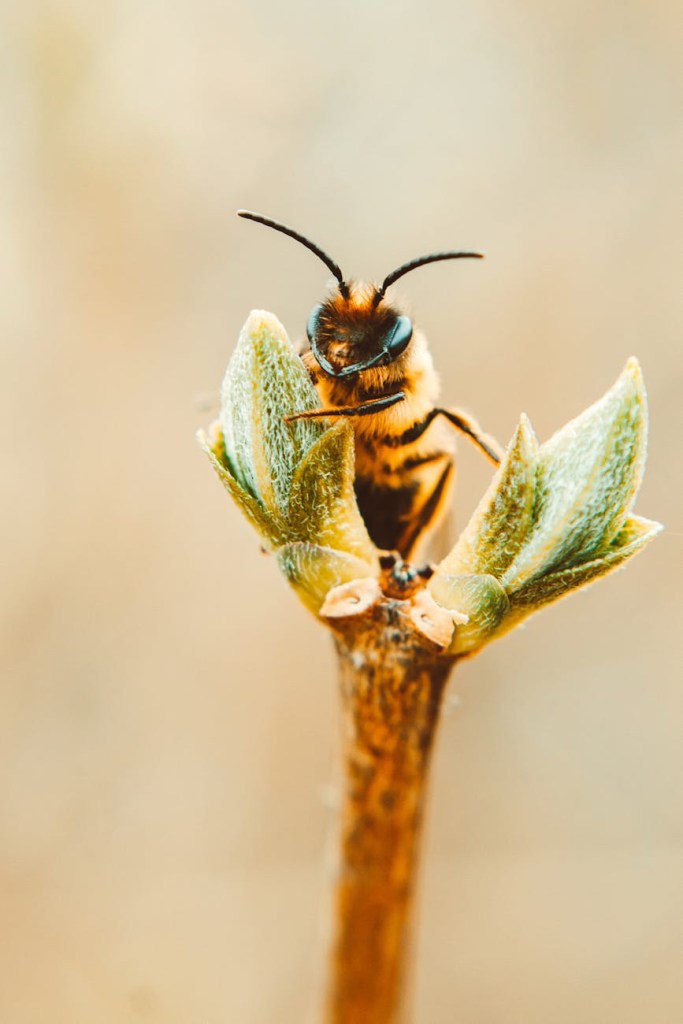
Support healthy soil and plant diversity. Produce raw honey and beeswax, packed with health and wellness benefits. Help maintain balance in ecosystems by sustaining plants for other species.

🌱 How You Can Help Save the Bees
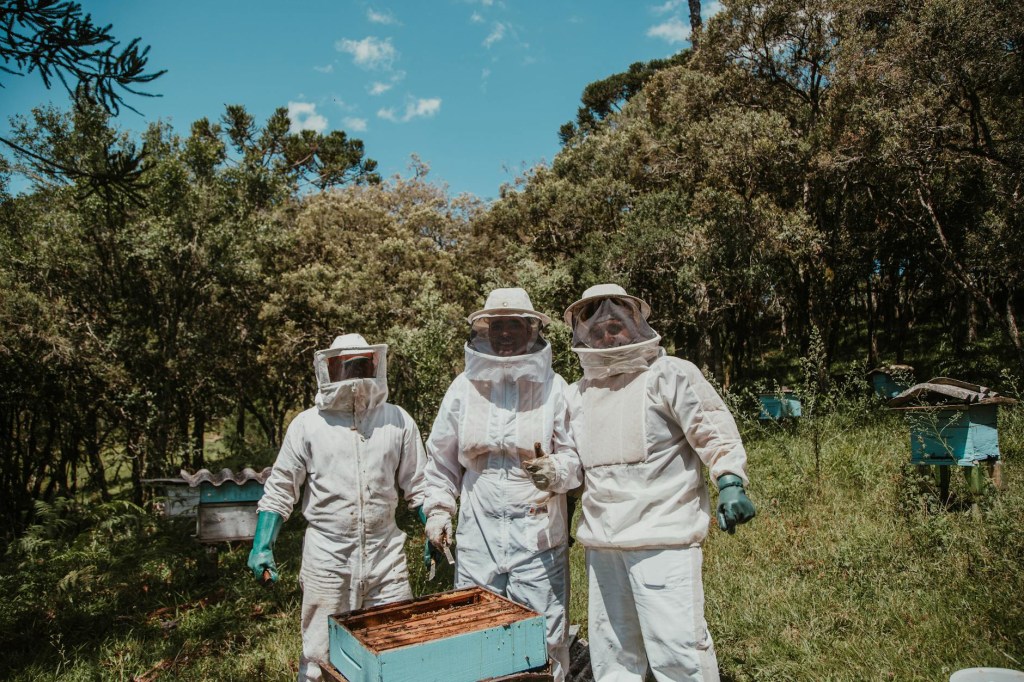
Plant native, pollinator-friendly flowers in your garden or balcony. Avoid pesticides and choose organic produce. Support local beekeepers and buy raw honey. Provide safe spaces like bee hotels and wildflower patches.
🐝 Final Thoughts
Bees are small, but their impact is monumental. By supporting pollinator health, you’re protecting biodiversity, securing food sources, and preserving a balanced planet for future generations.




 The Orchard Grazer
Leave a comment