
Introduction: Why Suburban Farms Matter
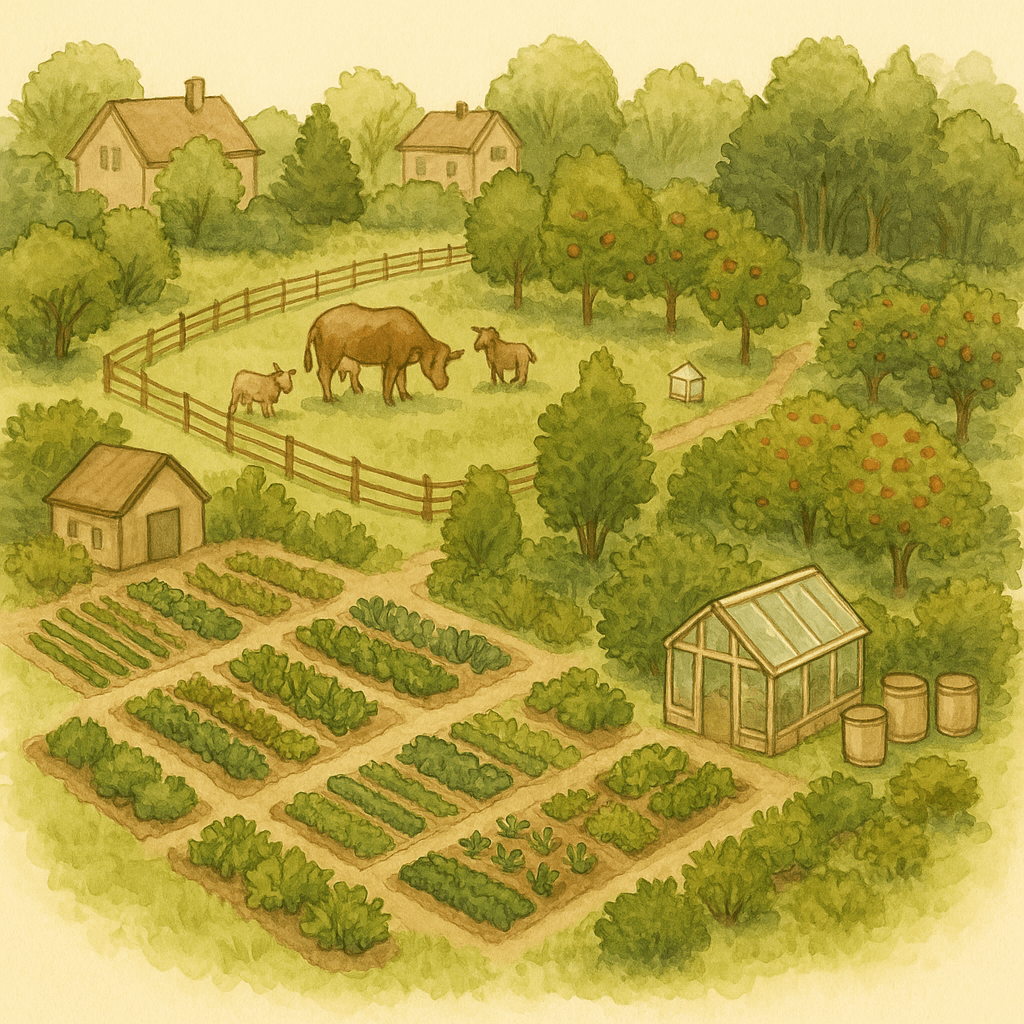
Imagine if every neighborhood had a small farm tucked behind its fences — not sprawling acres, but a thoughtful patch of land that feeds families, restores ecosystems, and supports pollinators. In a world facing climate change, food insecurity, and biodiversity loss, suburban farms may be one of the simplest, most powerful solutions.
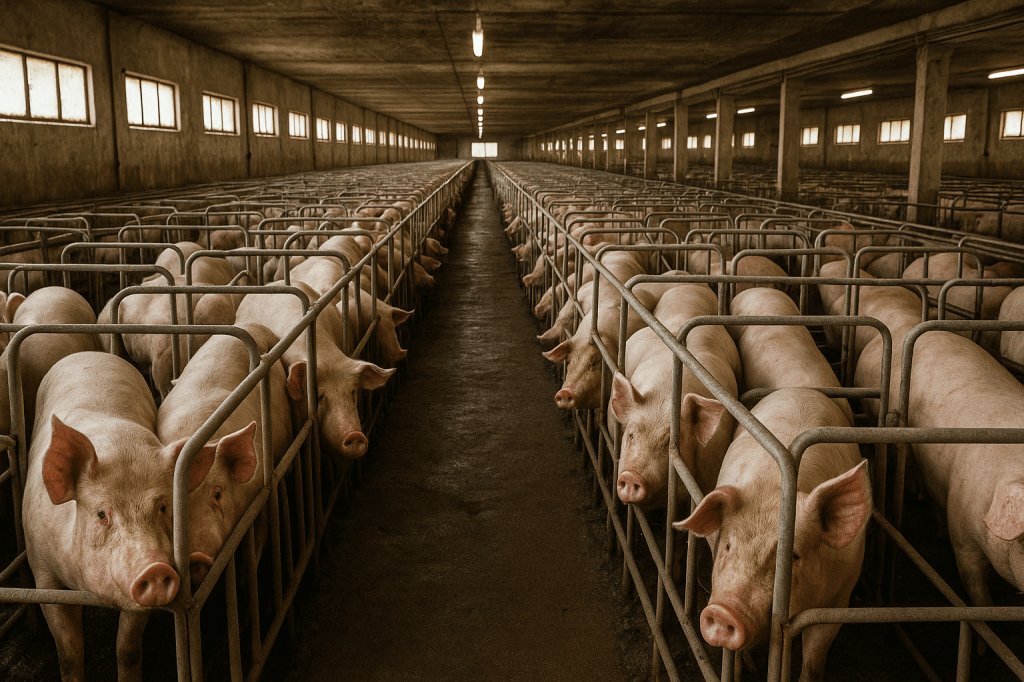
Unlike industrial agriculture, which strips soil and concentrates livestock, a suburban farm focuses on diversity, sustainability, and community resilience. By growing food close to home, families cut supply chains, reduce waste, and reconnect with the land. And when multiplied across thousands of households, these small farms add up to a global shift — healthier food, happier animals, and thriving ecosystems.
This is the heart of the Orchard Grazer vision: rustic, balanced, and in harmony with nature. Let’s explore a simple 3-zone plan for creating your own suburban farm.
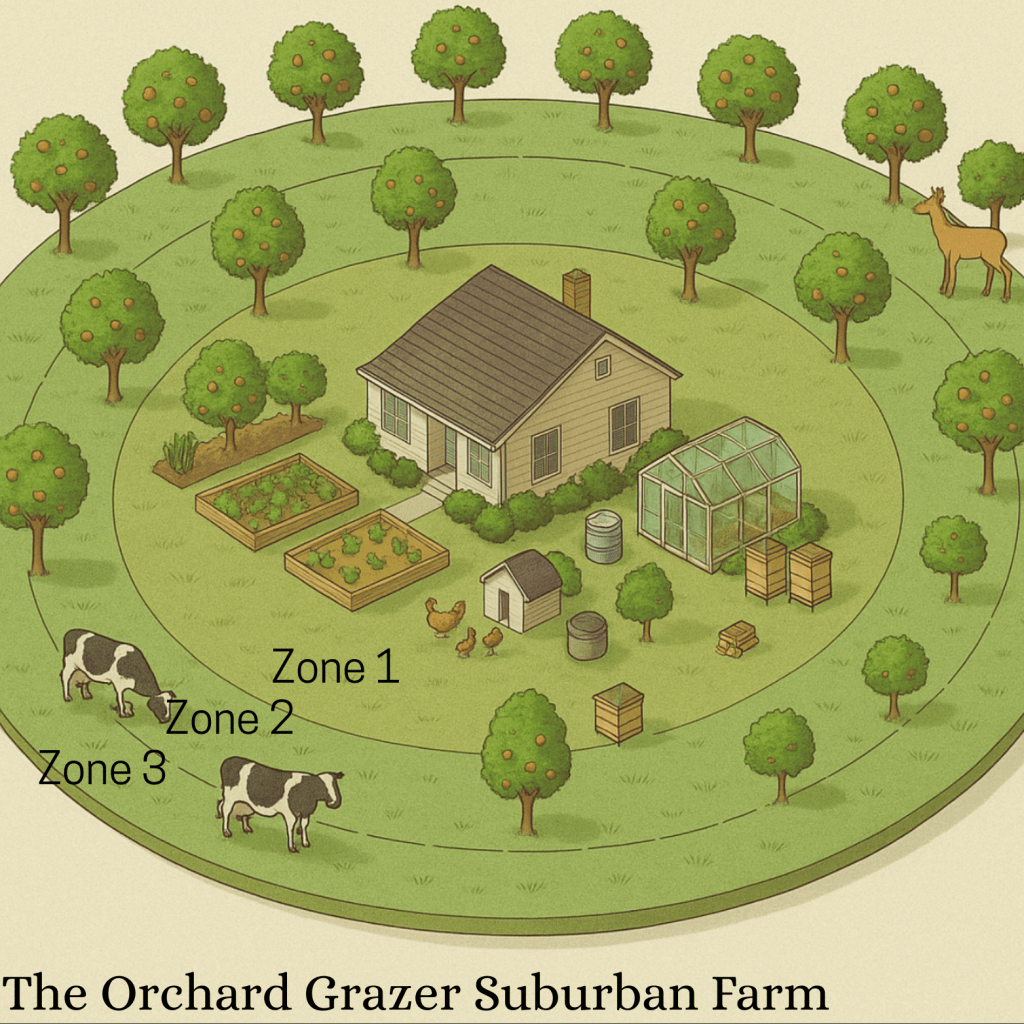
🌿 Zone 1: The Homestead Core
This is the daily-use area, closest to your home. It provides fresh food, clean water, and year-round growing potential.
Vegetable & Herb Gardens: Raised beds, rotating seasonal crops, and kitchen herbs for fresh meals. Greenhouse: Extends growing seasons, ideal for seedlings, tomatoes, and tender greens. Rainwater Collection: Simple barrels or underground cisterns reduce reliance on municipal water. Chickens & Ducks: Provide fresh eggs, natural pest control, and manure for composting. Composting System: Turns kitchen scraps and yard waste into rich soil.
👉 Zone 1 is about self-sufficiency and convenience — you step outside your door and harvest dinner.
🐐 Zone 2: The Working Pastures
A little further out, this zone balances productivity with space for animals and pollinators.
Goats or Cows: Supply raw milk for cheese, yogurt, and cream. Beekeeping: Hives provide raw honey, pollination, and wax. Orchard Rows: Apple, pear, fig, or cherry trees that yield fruit for years. Berry Patches: Strawberries, blueberries, and blackberries as seasonal treats. Rotational Grazing: Animals moved through small paddocks to keep soil healthy and prevent overgrazing.
👉 Zone 2 is about abundance and interconnection — animals, bees, and orchards all working together.
🌳 Zone 3: The Wild Edge
The final zone is less managed, more natural, and vital for long-term health of the farm ecosystem.
Native Forest Strip: Trees that provide windbreaks, shade, and wildlife habitat. Wildflower Meadows: Essential for pollinators like bees and butterflies. Ponds or Wetlands: Support ducks, frogs, and water filtration. Mushroom Logs or Shaded Plots: Grow shiitakes or oysters under the canopy. Perennial Food Forest: A mix of fruit trees, nut trees, and perennial herbs creating a self-sustaining ecosystem.
👉 Zone 3 is about restoration and harmony — working with nature instead of against it.
🌎 Why This Matters
When we design our backyards and neighborhoods like this:
Families eat fresher, cleaner food. Animals live better lives. Pollinators return in abundance. Communities become resilient against global supply chain shocks.
Multiply one suburban farm by thousands, and you have a quiet revolution — healthier people, stronger local economies, and ecosystems reborn.
✨ Closing Call to Action
The Orchard Grazer way isn’t just a diet — it’s a lifestyle rooted in balance. From your plate to your backyard, the Middle Path means respecting nature while enjoying its abundance.
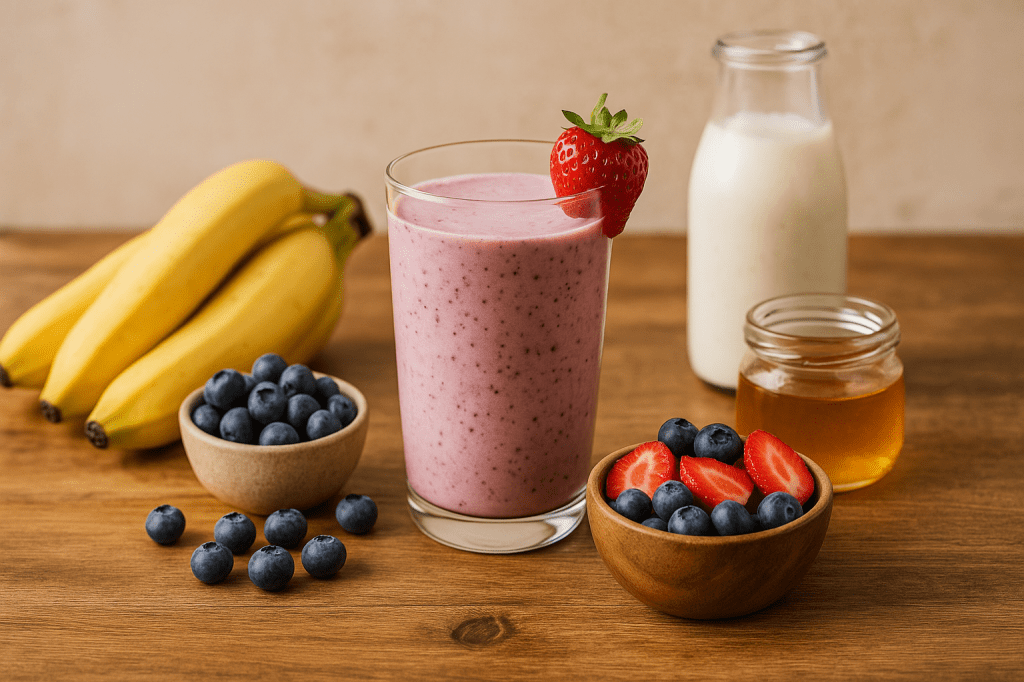
💡 Start small: plant a raised bed, add a rain barrel, or adopt a few chickens. Then explore how the Orchard Grazer Diet complements this lifestyle with rustic, nourishing meals. For a full taste, download the 7-Day Orchard Grazer Diet Guide today.




 The Orchard Grazer
Leave a comment