
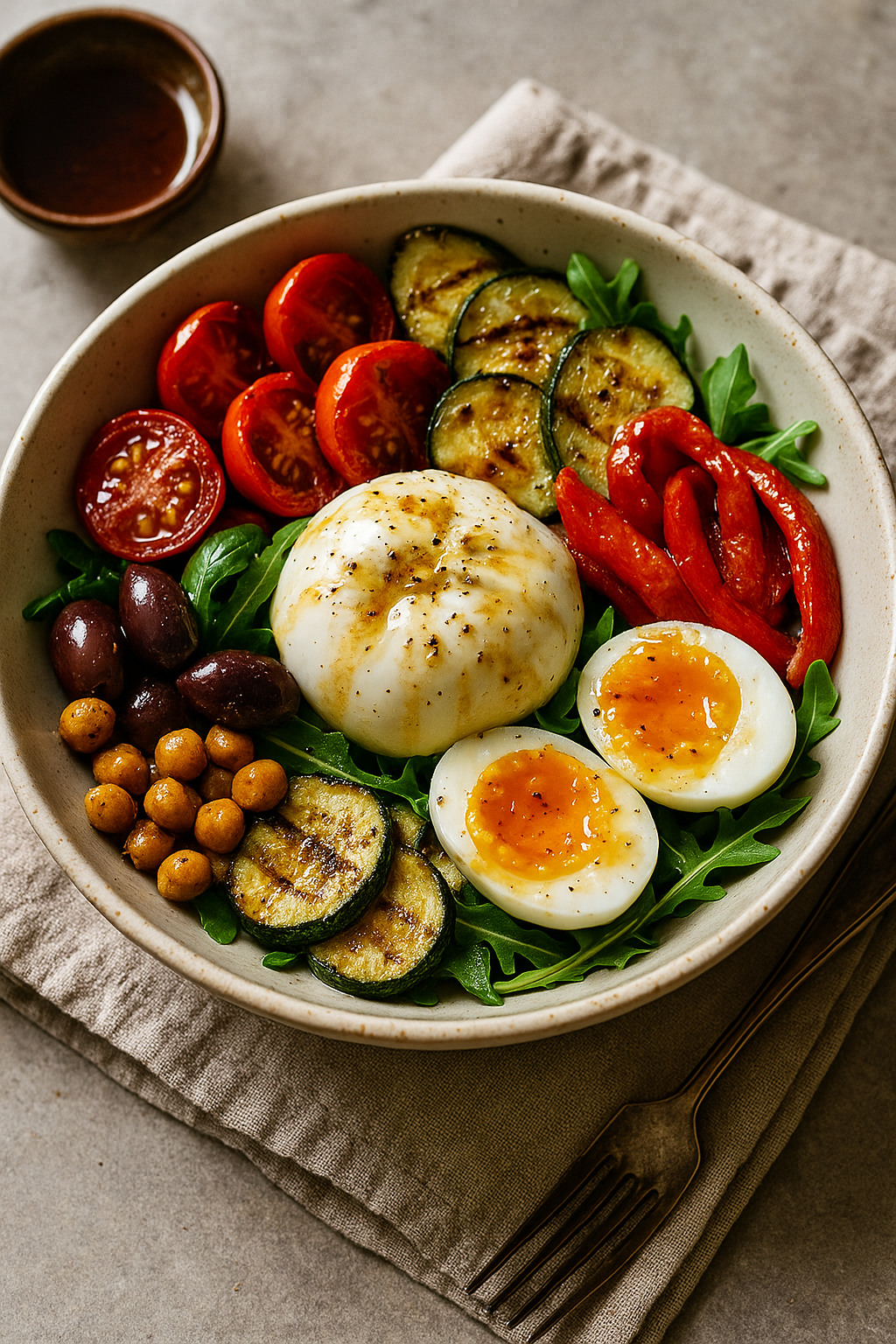
The Problem – A Pressing Concern
After traveling around to other parts of the world, I have noticed that much of the western world has lost its touch with the roots (metaphorically and literally) of eating.
In the last 60 years stemming from the mid 20th century, fruits, vegetables, and grains have lost much of their crucial nutritional value and essential mineral content that was once found in the time of our great grandparents. The table below outlines how steep this decline has been:

The chart is a synthesis of several peer-reviewed studies and reviews (not a single source), and it shows approximate ranges for five key nutrients where declines have been reported: Protein, Calcium, Iron, Vitamin C, and Riboflavin.
The decline in these vital nutrients is a large contributor to many metabolic and neurological conditions we observe today. Not limited to certain conditions such as anemia, depression, anxiety, skin issues, and so much more. The lack of protein especially is concerning as the rise of vegetarian and vegan diets often rely on fruits and vegetables for their nutritional needs.
Causes of Food Nutrient Depletion
🧬 1. Crop Breeding Priorities
Modern crops are often bred for:
- Shelf life & appearance (size, color, uniformity)
- Transport durability (thicker skins, resistance to bruising)
- High yield (more tons per acre)
➡ This can lead to a trade-off — less emphasis on nutritional density or flavor.
Example: Some tomato varieties have 20–30% less vitamin C and lycopene than heirloom varieties.
🧪 2. Soil Depletion
- Continuous monocropping and overuse of chemical fertilizers can strip soil of micronutrients (magnesium, zinc, selenium).
- Plants grown in depleted soil have fewer minerals to absorb → lower nutrient levels in the final produce.
🏭 3. Industrial Agriculture Practices
- Early harvesting: Many fruits/vegetables are picked unripe so they can ripen in transport → less time on the plant means fewer natural sugars, antioxidants, and vitamins.
- Long storage periods: Vitamins like C and folate degrade quickly after harvest. Produce sitting for weeks loses nutritional value.
- Pesticide use: May indirectly affect plant stress responses, lowering phytochemical (antioxidant) production.
🌡 4. Climate Change
- Increased CO₂ levels can make plants grow faster but dilute protein, zinc, and iron levels.
- Rising temperatures stress crops, sometimes reducing flavor compounds and antioxidants.
🚚 5. Long Supply Chains
- Transport, refrigeration, and handling cause:
- Nutrient degradation over time
- Loss of texture & taste (e.g., strawberries turning watery)
- By the time produce reaches consumers, it may be days or weeks old.
🧊 6. Post-Harvest Processing
- Washing, peeling, and packaging can remove nutrient-rich outer layers.
- Some storage methods (controlled atmosphere rooms) slow ripening but may reduce sugar content and aroma.
💡 7. Consumer Preferences
- Demand for perfect-looking produce leads to discarding oddly shaped but nutrient-dense items.
- Sweetness and mildness are preferred → crops may be bred to be less bitter, but bitterness is often linked to health-promoting phytochemicals.

Why you should choose high quality.
The good news: in the modern day, we have access to an abundant number of organic sources and grocery stores. No matter where you are located, you have the ability to make a difference to your health and to your wallet as well (more about that shortly).
Much of the problem with the recent decline in food quality stems from soil and air quality issues from industrial farming needs along with the increased use of commercial pesticides.
I guarantee that if you live in the United States, you have access to local farmers markets or organic food depots. If you think that price is a factor, check out these statistics:
📊 Price Difference: Farmers’ Market vs Grocery Store
| Study / Location | Produce Basket or Items Compared | Price Difference (Farmers Market vs Grocery Store) | Key Notes / Conditions |
|---|---|---|---|
| North Carolina (12 counties) Taylor & Francis Online | 230 produce items | Mean savings ≈ 17.9% at farmers’ markets Taylor & Francis Online | If shopping the same items; savings vary a lot by county and item. Taylor & Francis Online |
| West Central Minnesota Hortidaily | “Market basket” of common produce (peak season) | Farmers’ market basket: $12.85 vs Grocery store: $14.33 → about 10% cheaper at farmers’ markets Hortidaily | Only during peak growing season; includes “common produce.” Hortidaily |
| Vermont (various markets) USDA+1 | ~55 commonly purchased products (produce, meat, eggs) | Many farmers’ market items are competitively priced — within ±10% of grocery store price; sometimes cheaper. USDA+1 | Includes both local and organic products; depends on item. USDA |
| Indiana Purdue Agriculture | Common vegetables (cucumber, bell pepper, etc.) | Sometimes cheaper at farmers’ market; sometimes grocery store is slightly lower. E.g.: • Cucumber low price: ~ $0.25 at grocery, ~$0.20 at farmers’ market. • Bell pepper: ~$0.33 grocery, ~$0.20 farmers’ market for cheapest version. Purdue Agriculture | Big variation depending on quality, freshness, vendor. Purdue Agriculture |
| Vermont local/organic produce USDA | Local & certified organic produce | 92% of organic produce at markets were “competitively priced” with organic in retail; local produce similarly ~89% competitive. USDA | “Competitive” meaning within ~10% difference. USDA |
Not only is the price relatively the same, but it can be often cheaper to buy from local farmers. Not only that, you have the opportunity to be apart of your community in a meaningful and helpful way.

But there’s more… if you begin eating highly nutritious foods, you will in part eat much less over time. Meaning you will need LESS. Those cravings you get? Our human body knows what exactly it needs and when those needs are met, the signals go away. That’s quality over quantity!
So if we could actually save money eating more nutritious foods, what’s stopping us? Go to your local farmers market this weekend, strike up a conversation with some people in your community, and make a difference in your life today!


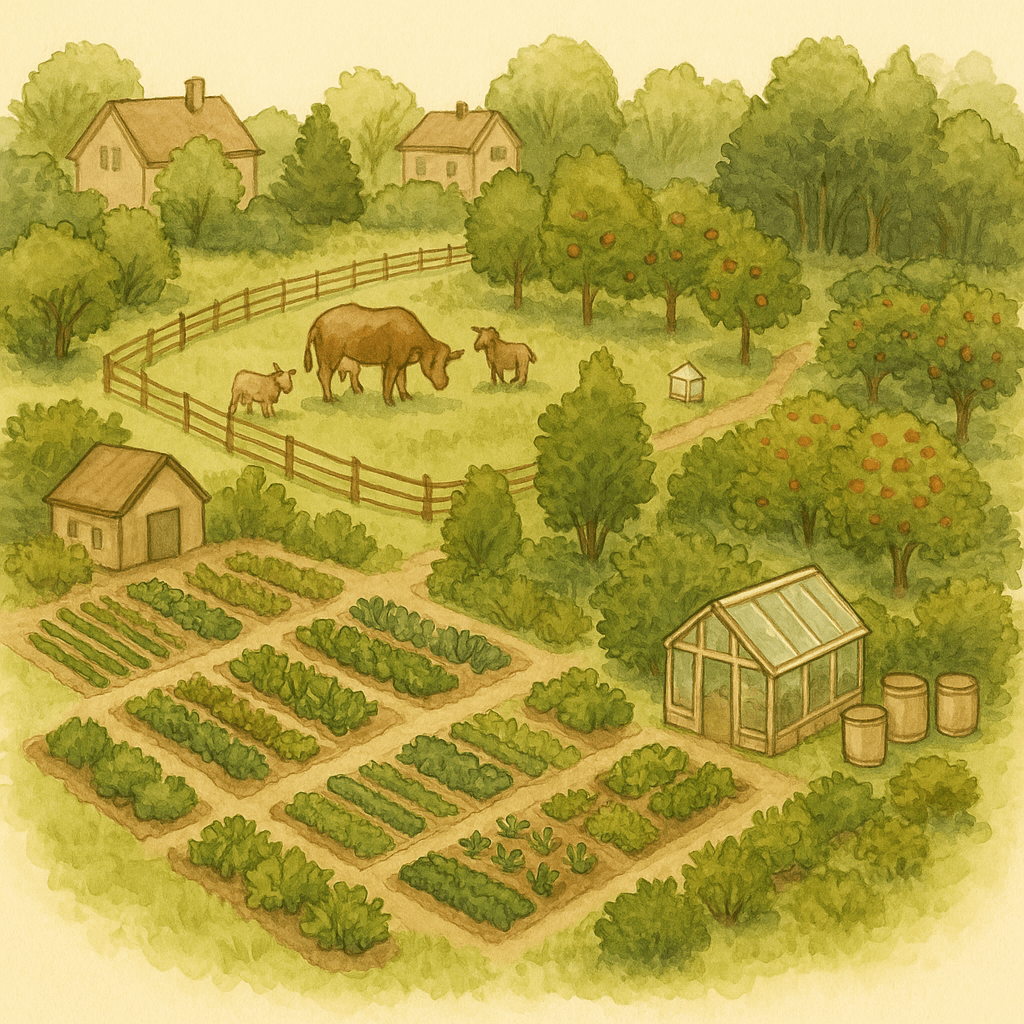

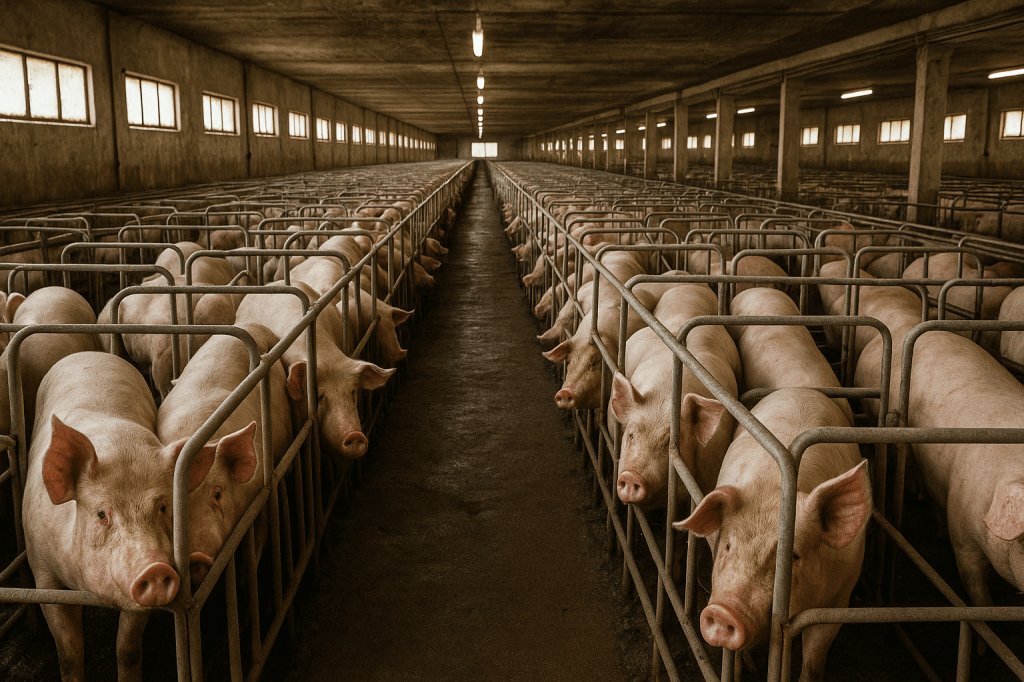
 The Orchard Grazer
Leave a comment